Filter feeder
Menhaden feed on tiny organisms in the water column, making them an active part of coastal ecology.
A coastal field guide
Menhaden are the quiet connectors of coastal ecosystems—filtering water, feeding wildlife, and linking the sea to the shore.
Explore their role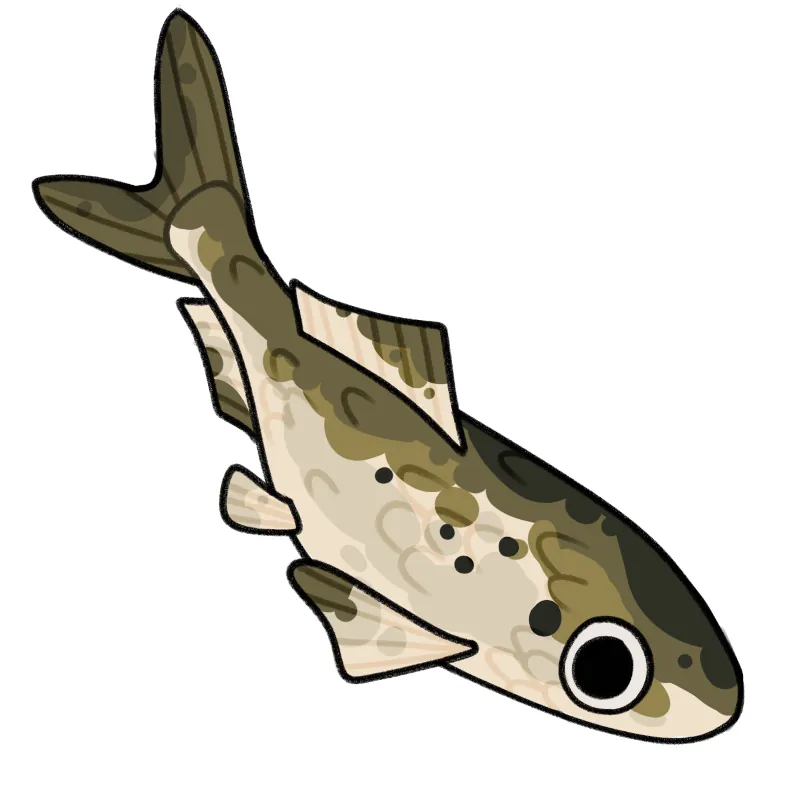
The essential forage fish
Menhaden school in Atlantic and Gulf waters. They consume plankton and carry that energy upward—toward striped bass, ospreys, whales, sharks, and the people who depend on healthy coasts.
This is a calm place to understand the species, the systems around it, and why thoughtful management matters.
Why they matter
Menhaden feed on tiny organisms in the water column, making them an active part of coastal ecology.
They are vital prey for many fish, birds, and marine mammals throughout their range.
Menhaden matter to ecosystems, bait fisheries, and commercial harvests—so management reaches far beyond one species.
A healthy coast is not a collection of separate species. It is a set of relationships.
Read the source library →